
How to Show Up For Kids Who’ve Lost a Parent
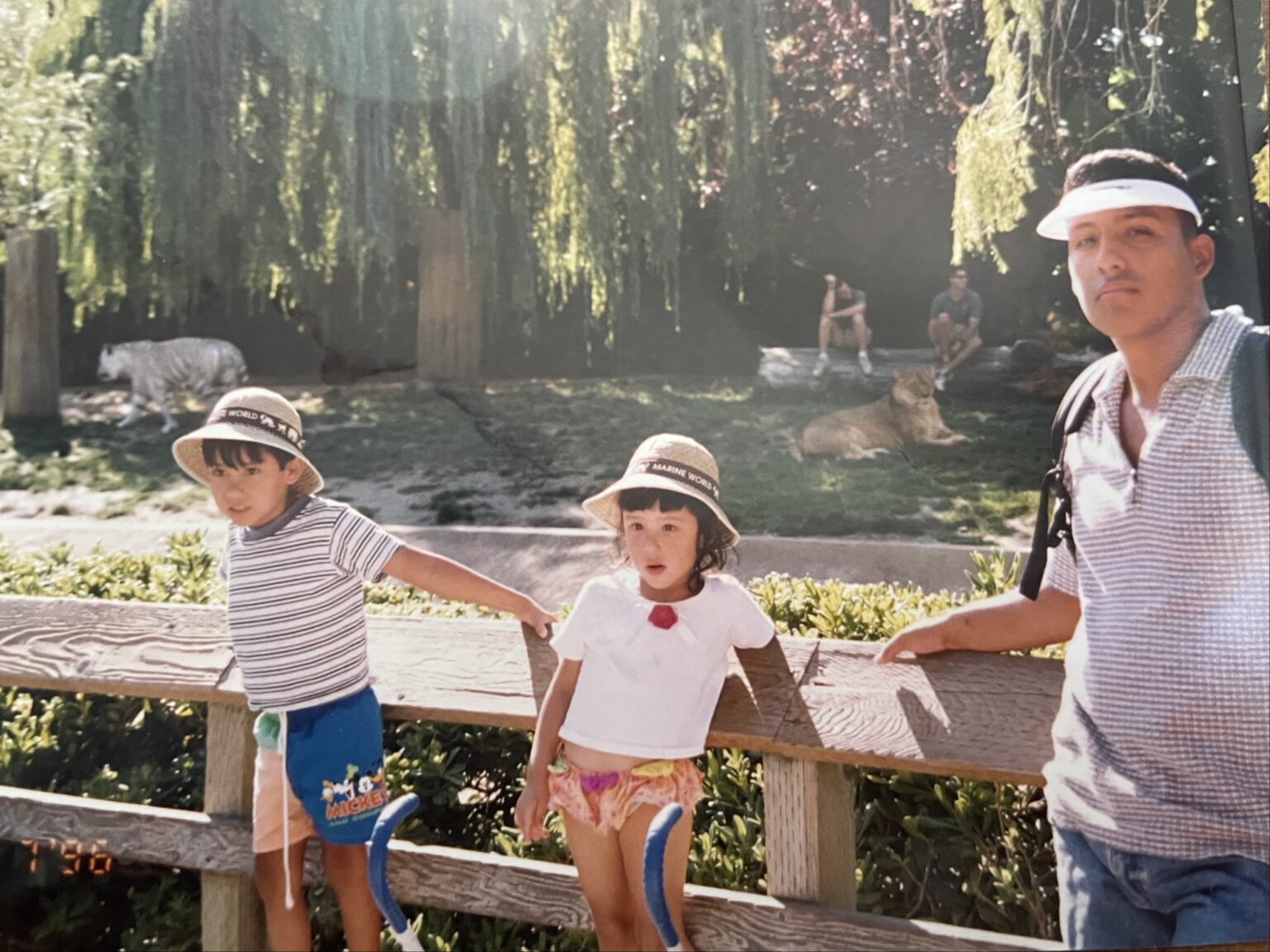
My dad died when I was 15. A couple months ago, I talked to grief therapist Natalie Greenberg, and she said something that stuck with me: “When you’re a young adult who loses a parent, friends often don’t show up how you want them to because they don’t have a blueprint to follow.”
I remember how crushed I had been when certain friends hadn’t checked in, and how seen I’d felt when others had given me long, lingering hugs. Now, with kids of my own, I want to teach them how to be there for grieving friends. Of course, I have my own experience to draw on, but I was curious what had helped (or hadn’t helped) others who had lost parents early in life. I spoke to three women, and here’s what they told me…
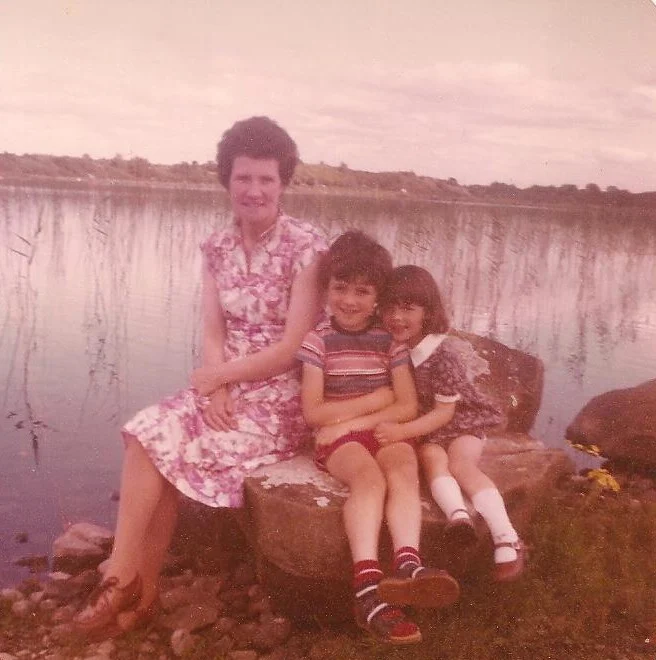
Carmel Breathnach, who lost her mother when she was 11
“A few months after my mother’s death, I went to my friend Susan’s house. We were sitting in front of the TV, eating sandwiches with her little sister, Audrey. I knew the family well and liked them all very much. For some reason, I blurted out my intense fear that I would become an orphan if anything were to happen to my devoted (and healthy) father. Without skipping a beat, Susan told me that if anything happened to my dad, her family would happily adopt me. I was stunned by her generosity and looked to her younger sister for confirmation. Little Audrey piped up in agreement. I then asked about my brother: what would happen to him? Susan confirmed that they would also adopt my older brother. This moving response calmed me instantly and while I still worried about my father, I felt certain that my brother and I would have somewhere safe and welcoming to go if anything bad happened.
“At that time, most of my friends were too young — eight, nine, 10 — to speak to me about my mother’s death. In recent years, a few even apologized for not supporting me during that time, but I assured them that they had, in their own childlike ways. They were kind, and we played together and laughed. This was all important and just what I needed.”
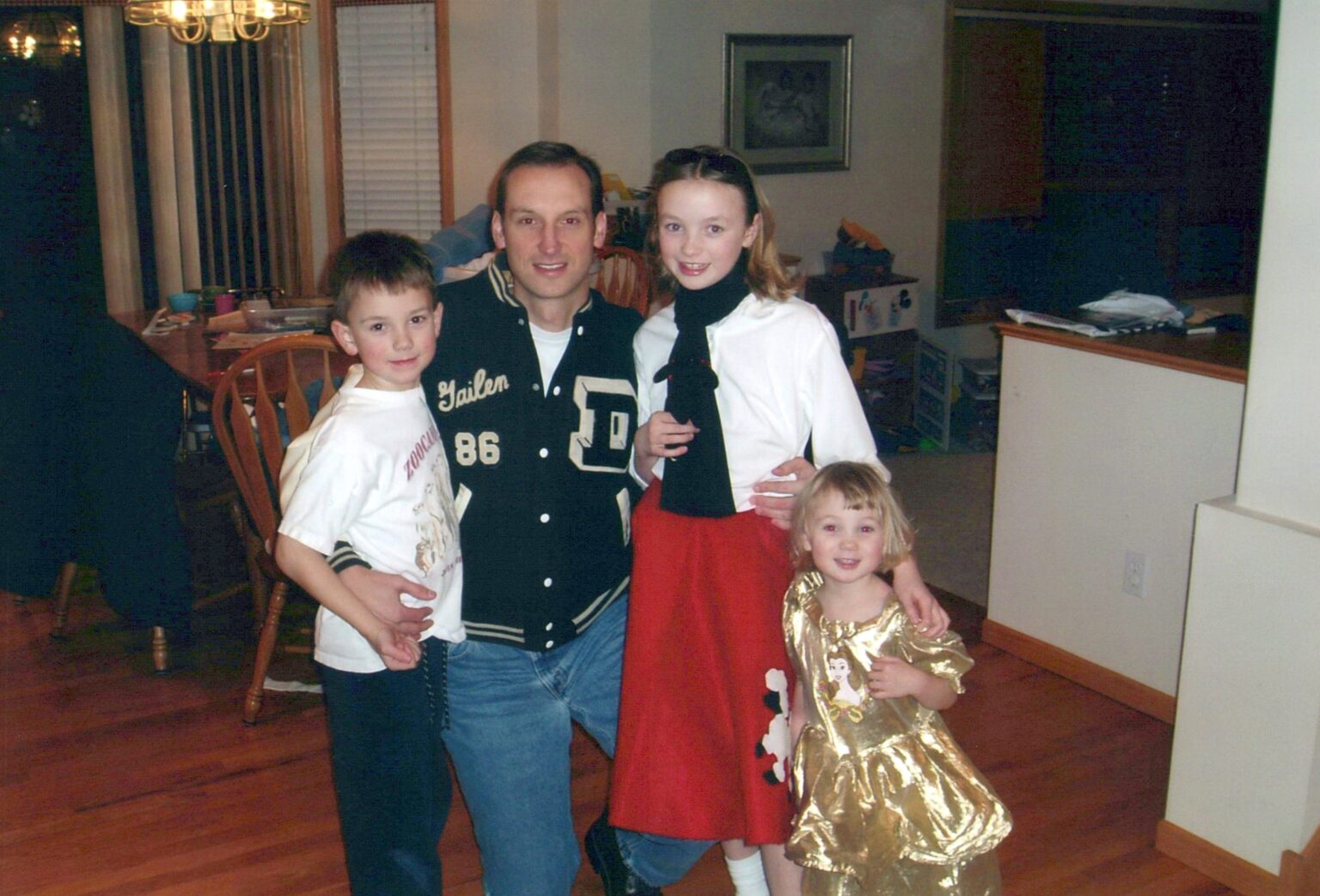
Erika Veurink, who lost her father at age 15
“After my best friend heard that my dad had been diagnosed with cancer, she slipped a chocolate bar into my locker. She’d skip class with me to sit on the fire escape and talk. Her dad was one of the first people my dad told, and I watched the interaction happen at a football game, curious why both of them were crying. It was a sacred experience from the second I found out.
“I was with my best friend when I got the call that my dad had passed. She and I were knotting fleece blankets with her mom, watching Gilmore Girls in her living room. It felt good to have a project while we were waiting for the inevitable. After we got the call from my mom at hospice, my friend and I piled into the backseat with blankets we’d knotted for everyone in my family, sobbing, including one for my dad, which I laid over his body.
“That summer, she and I spent hours hanging out on her lawn, walking to CVS, and watching more Gilmore Girls. We were 15 and her mom made sure we felt that way, even in the face of grief.
“During that time, I wanted my friends to act like everything was normal and to freak out with me, in waves. It sometimes felt great to get lost in a gossip session in the locker room. Other times, I wanted to scream hearing my friends complain about their dads after mine had passed. Mostly I wanted to be around people all the time. I spent a lot of time floating next to my friends at the pool, not saying anything at all. And that felt comforting!”
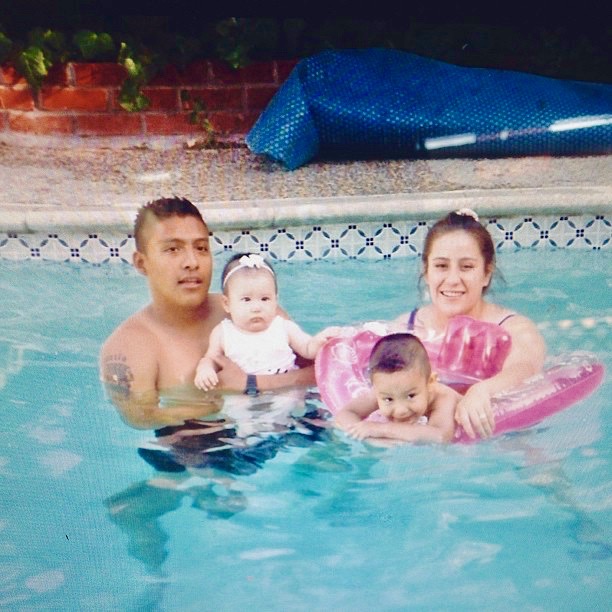
Jannelle Sanchez (myself), who lost her father at age 15
“A few days before my dad’s funeral, my mom asked if I wanted to invite a friend, and the first person that came to mind was my best friend since fifth grade. S was hilarious and knew me better than I knew myself. Also, she wasn’t a stranger to losing a parent. Her dad had had a stroke and passed away when she was eight. So, she knew was it was like to lose a father.
“But after my mom told her mom about my dad’s death, all I got was silence. No texts. No calls. When my mom sat down on my bed, I could tell from the look in her eyes that she was going to share news I didn’t want to hear: S didn’t want to go to the funeral. I felt like I had been punched in the gut.
“Now as an adult, I understand why S had pulled away. Dealing with death is so hard, especially as a child. Yes, her not reaching out made me feel alone and hurt. But now I know her distance stemmed from her own grief, not coldness or cruelty.
“Also, to be fair, I hadn’t reached out to her either. I never wrote her a text saying, ‘I really need you right now’ or asking if she was free for a phone call. In the thick of my grief, I didn’t know how to tell my friends what I needed from them. That all I really wanted was for one of them to show up at my house, hang out with me in my room, and tell me that everything would be okay. How I craved people’s physical presence. To hold a friend’s hand so long that my hand turned clammy. Or just sit next to them on a couch and not talk about anything.
“Thankfully, some friends did reach out. But the one that stuck out the most was so unexpected. The week after my dad passed and my mom had shared the news with everyone, I was walking up the spiral staircase at our church, making my way to our weekly youth group. With every step, I felt anxiety grow heavier in my chest. Is everyone going to now see me as the girl whose dad died? Are people going to act weird? But once I reached the top of the staircase I heard a bright, ‘Jannelle-y!!!’ and saw my friend Chloe running down the hall. She scooped me up in a big, warm hug, and handed me a piece of paper. On it were two smiling stick figures in triangle dresses with straw-like hair. They were holding hands. All I wanted during that time was a friend to hold my hand, and there it was, manifested on paper.”
Natalie Greenberg, who lost her mother at 23
“After my mom died, my friends didn’t really know how to be there for me because we were so young and inexperienced in the arena of death and grief. They would say vague, open-ended things, like ‘Hey, how are you doing?’ or ‘I’m here if you need anything.’ And those are hard to respond to when you feel like your world has turned upside down.
“One gesture that meant a lot happened years after my mother’s death. A friend had saved the date of mom’s death anniversary on her phone, and on that day she sent me a really sweet text and then asked, ‘Do you want to go for ice cream tonight?’ The way she reached out and acknowledged the loss of my mother was so thoughtful. It also felt so much more personal than sending flowers because it was an activity we can do together, where we could chat and I could get my mind off the heaviness of that day. Saving the death anniversary of a friend’s loved one in your phone takes two seconds, and it can mean the world to someone when you text them on that day.
“Now as a mother, I want to teach my kid how to be empathetic when a friend is grieving and to check in. And not just check in once but periodically — weeks, months and years later. Talking about the death of a parent isn’t a one-time conversation, because I think that’s where the stigma builds up and it becomes this dark, scary thing. It’s going to stick with someone for the rest of their life. Consistently opening that door of communication and creating a space to talk about a friend’s grief will benefit everyone.”
Did you lose a loved one when you were younger? What did people say or do that brought you comfort?
P.S. How to talk to kids about death and how do you think about death?
Tags: grief
Comments
141 commentsWe’ve been through a lot of early parent loss in our family. My brother and I lost our mother when I was 21 and he was 19. He sadly lost his first wife when his son was just 9 months old, and his current wife also lost her husband when her kids were about 6, 4 and 2 I think. Anyway, way too much loss. The most useful thing I was told, by my cousin, who lost his Dad, was not to expect to get over it, but that I would get through it. And that took off the pressure of getting back to ‘normal’. My friends were good but only people who had lost a parent really understood the grief and the loss of the future we should have had together. I feel this at all stages of life. I never got to hang out with my mother as an adult, I don’t get to help her in old age, she didn’t meet any of my dogs (we don’t have kids), or see the houses I have lived in.
When my twin sister and I were 9, one of her classmates passed away unexpectedly. Many of the school parents went to the funeral but decided not to take their kids—to spare them, I imagine. Our mom took us and explained to us that it was important for the boy’s parents and family to see how loved and cherished he was. I was nervous, but I remember feeling good about being helpful and hopefully giving them some comfort.
I’d love to find a pen pal on here who might be interested in exploring the loss of a parent between the age of 2-3 together. I lost my mother when I was 2.5 and her death, the impact it had on everything that followed in my life, and the lives of those who loved her has haunted me every single day of my life. I am 38 now and It has haunted me in beautiful ways, in ways that I despise, but mostly it has just had its own space for too long in my journey. I have lived a beautiful life that I am deeply proud of but I have yet to share a conversation with someone who has navigated a similar loss and something has pulled at me over the years to find a soul friend who might be interested in exploring that. If you’re out there…
I haven’t lost a parent while young. My dad died suddenly when I was 44.. he was way too young, but it’s so very different. I came here because my very best friend, of 30 years, just died suddenly in her sleep and her 9 year old daughter found her. I was just really touched by reading your comment. Reach out if you want ♥️
What a beautiful article, thanks Janelle. And sending love to everyone who has lost a parent too young xx
My mom battled breast cancer for several years, going into remission before the cancer spread so much that there wasn’t anything they could do. A few years later, my dad, died suddenly from liver cancer. When we entered the hospital, the nurses said we should prepare for months of hospice, and three days later, he passed away. I remember watching an interview with Andrew Garfield, who lost his mother suddenly. He said, ” I hope this grief stays with me because it’s all of the unexpressed love that I didn’t get to tell her, and I told her every day, she was the best of us.” I joined a great organization called Empower of mentors who has also lost parent. The organization supports, and connects children, teens and young adults up through age 24 who have experienced the loss of a parent with a mentor who has also lost a parent. https://weareempower.org/about/
Thank you for mentioning Empower. One of my closest friends passed away suddenly in March and she left behind a husband and two children. I reached out to Empower and their mentorship program is active in their area. I am going to pass along the info.
My best friend’s husband died suddenly 18 months ago, their children were 10, 8 and 6. Aside from supporting my friend, I promised myself that I would keep the memory of their Dad alive for the kids. I saw what a gorgeous Dad he was, how he loved and cared for them and how he adored my friend. I was witness to so much love and I want them to feel that even though he’s not around in person.
I love that you are thinking of this. My dad died when I was 12 (I’m 40 now) and to this day my favorite thing in the world is to hear stories from my uncle about all the trouble they used to get into in their 20s, or how my dad came over in the middle of the night to fix their plumbing (he was exceptionally handy!), or even that he loved a certain brand of beer. One of the worst parts of losing a parent so young is that you never get to know them as an adult, as a whole person, not just a parent. The stories people tell me about my Dad feel like precious treasures and allow me to get to know him, even 20+ years after his death. (Ditto goes for old photos!)
I lost my dad right after graduating college, very unexpectedly. I was with my dad at home when it happened, my sister was still in college and I had dropped her off for move-in just a week or so before. It felt so alienating because our friends hadn’t lost a parent at that time. Even between my sister and I, it felt like we had such different experiences of that day that it’s hard to describe and unknowingly divided us for a long time. She felt guilty for not being there. I have PTSD and frequently relive that day, minute by minute and second by second, questioning every action and how I could have done more or done better. It has been especially hard, now pursuing a career in medicine, because I now know what signs I should have looked for and things I could have done better at the time. In all likelihood, none of this would have saved my dad’s life. But it’s still hard, years later. At the time, it meant a lot to me when friends continued to reach out even when I was in too much shock or too depressed to respond. The friends who understood that I couldn’t come up with the energy to respond, but continued to reach out and offer support, really helped. That’s what I try to emulate for others who experience loss of a loved one, which is surprisingly and unfortunately more common in your 20s than I would have ever thought. I am always so grateful when people remember my dad’s passing and text me about it around that time each year. I have set reminders for myself for anyone else I know who has experienced loss and I send them a thoughtful message on that day each year, because I know it is something that means a lot to me. Sending so much love to everyone out there who has lost a parent at any age, any amount of time ago. I’m so sorry for your loss. May their memory bring you love and strength.
What an insightful post. My father died when I was eight. I think I actually found it comforting to fold back into my friends without skipping a beat. I’m now 72 and, about six years ago, I was reunited with three friends who were in my class at the time. They told me that when our teacher asked me to take something to the office, she used the opportunity to tell the class about my dad’s death to elicit their kindness and understanding. One of these friends told me how terrified she became over the idea she could lose her own father. Grief is so complicated and evocative for the grieved and the witnesses.
I lost my mum to AIDS when I was 10. My mum contracted AIDS in the late 80’s (from a dishonest boyfriend she dated after my parents separated), and alas, spent most of the 7 years she was HIV positive breaking down the stigma attached to the disease that would claim her life. For her palliative care, my maternal grandparents (who were divorced) came together, moving in with my mum and I to look after my mum in shifts, for the last 8 months of her life. As a result, our home became a meeting place for my entire family, and I remember the last 6 months of my mum’s life being surrounded by so much love. After she passed, everyone scattered and, due to being an only child (who went to live with my dad and his new family where I clearly did not belong), I always felt like the “oddity” in the family, unanchored by my mum’s absence as the primary link connecting everyone. I remember spending time with friends, laughing and just being a kid went a long way to relieve the profound in the months that followed. The offer of a home or a place of belonging and being “of value” by family members or friends would have gone a long way in relieving the feeling of the loss of self and home which followed me for years. I recognise now that, unlike loss from ‘recognisable causes’ (like cancer, accidents etc) there was probably a lot of fear and stigma still hanging onto the loss I experienced and the people around me were – to some extend – likely just not sure how to provide the support I needed, or too afraid to ask. But loss is loss – in whichever shape it appears.
I’m so sorry. Thank you for sharing this part of your heartbreaking and intensely challenging experience. I know I’m going to remember it forever, and hope bring it to bear when I’m the adult positioned to provide support to grieving kids and teens.
My dad passed away 7 months ago. It has been so tough going through it as an adult; I can’t even begin to imagine what it is like to go through it as a kid. Love to every who has lost a parent at any age.
I actually feel so deeply grateful for how my friends showed up when my dad died and I was 16 – many of them would come over and just stay for hours, sitting with me and talking or not talking. Asking questions. Taking me for drives or to grab fast food. Sleeping over. Watching movies. Laughing, crying. I really did need to be constantly surrounded by people and they did that. The most comforting thing my friend asked once was, ‘What’s the most confusing part about all of this?’ and that allowed me to open up about the difficulty of grasping ‘forever’.
My dad died with I was 13; I found him in his bed when I came home from school. I can still see that day clearly as almost 50 years have passed. It completely changed the trajectory of my life and that of my mother and my four sisters. I was a tomboy and we lived in the country, so I had boy friends who I hung out with. No one ever said anything to me. But I remember my mom saying that I was the chosen one to have found him. That it was a special thing that my dad would want me to find him out of my other sisters. It was her way of trying to make me feel better about the situation, and I did find some comfort in it. When I went back to school after the funeral, I overheard another classmate say, “but she still looks the same”.
Gosh what a lot to hold as a young person. Hugs.
I’m adding to my comment to say, in any scenario of grief and loss, the best thing you can do is SOMETHING. Don’t worry about if it’s the exact right thing. Have the dinner delivered. Drop off some cookies. Take over their PTA duties. Whatever. Show that you care and you’re thinking of them. I also think it’s helpful to offer to share the bad news. When my dad died, I didn’t want to keep telling people, but I wanted them to know. So I wrote a letter for my teachers and asked my best friend to deliver that and spread the word among our peers. Sharing the news myself was really emotionally taxing, so I appreciated the help.
I lost my dad when I was 16. I remember so vividly the people who just showed up – bringing food, handling car maintenance, giving my siblings and I rides. I think my teen friends didn’t know how to talk to me, and I didn’t want to talk. I was just so tired of crying. One day, a few of them showed up and took me for a drive. We rolled down the windows and blasted the music on PCH. Those moments of normalcy were exactly what I needed.
I am dating a widower. He has two beautiful daughters, and I’ve got two kids, as well. We all love each other very much, yet I still wish for a guidebook sometimes. I don’t know how much of a “mother” to be to his girls, so I tread very lightly. He’s a gen x man ;) and a fantastic father, but not particularly good at advising me. Anyhow, my heart goes out to all who’ve lost a parent prematurely. I think it’s the worst tragedy, and also produces the strongest humans. XO
My husband mother passed in 1957 at the age of 45 from Breast Cancer that had spread, my husband was 4 1/2 and a only child, sadly his dad didn’t take him to the funeral, instead sent my husband to his aunts house. My husband had a very difficult time with what had happened and still does to this day, he is 71. My father-in-law passed in 1998 at age 84. Both of my in-laws were born in 1913 & 1914 so they were older when they had my husband. Both of my parents are gone, but I was older.
My kids’ dad died this morning. They’re 15 and 8. I’m heart broken for them. Almost exactly 2 months ago he found out he had a brain tumor. It went so fast. We’re divorced, but I handled his care and he spent his last days with us on hospice. The kids were able to be near him more than if he’d been in a facility. I’m grateful beyond words for the people who showed up today and over the past 2 months.
Patty, I’m so sorry for your family’s loss. Sending love, comfort, and peace to you all ♥️
Patty, I am so sorry for you and your children. They will forever be grateful that you took him into your home in his last days.
Sending so much love to you, Patty! What an incredible gift you gave your kids- handling his care so you all could be together at the end. If that isn’t courageous (and LOVE), I don’t know what is.
i’m so sorry for you and your children. you memorizing the good times you spent together with their father, or memories your kids made either him, will mean so much to them. accompanied by the assurance they are allowed to be happy whenever they feel that way. both are so important. i lost my dad at 17 (after losing my mom at age 4). sending you love and strength.
I’m so sorry. You gave your children an incredible gift handling his care so they could be close. I hope you take gentle care of yourself during this time.
So sorry to hear, Patty. We’re all sending you and your kids so much love. Just imagine each of us in front of our little, glowing screens, thinking of you and sending you peace from our own corners of the universe. Your kids will be forever grateful that you brought their dad into your home so they could have more time with him in the last few months.
Patty, big hug from Seattle.
Each and every story here is heartbreaking in its own way. To be in the world without a parent is an odd kind of alone. In 1976, I turned six in October, and my dad died by suicide in December, a few days before Christmas. The tree was up, the presents were wrapped and ready to go, a special gift he had ordered for my mom arrived after his death. At that time, there was still quite a stigma around suicide, so that was a strange thing to observe people trying to make sense of, particularly in the Catholic community we belonged to-I was in first grade, we were active church goers. People didn’t know what to say or do – I get that. What do you say to a six year old who loses a parent any which way, let alone in this way? What do you say to a young mom who loses her life partner in this way? I have very little memory of my dad since I was so little. One thing that sticks in my head – for Father’s Day that year I had picked him out a tie that was green and orange stripes – really awful, but that was my little six year old taste, and years later for some reason I asked what had happened to that tie. He was buried in it.
I’m so sorry for your loss. I love that your dad was buried in the ugly tie you gave him! That is so sweet.
My father died of cancer when I was fifteen. He had been diagnosed when I was 2 years old, so he was sick throughout my early years. One memory stands out the most after his death. At the wake, I was stricken with grief in the receiving line and would periodically just sit down in the chairs behind us and take a break from greeting people. When one of my best friends came, I stepped out of line to talk with her and her boyfriend. Aside from their condolences and words of support, we had a totally normal conversation and I remember laughing freely and authentically with them. All these years later, I can still feel what a lifesaver those interactions were for me in that moment. When my mother died in my late 30s, a friend called and offered to come visit me (I lived about an hour away and my initial response was to say no to not inconvenience her). She told me that she had already arranged childcare and was ready to come. What a beautiful thing that she arranged childcare before she even called me. That helped me to take her up on her offer and receive her support. She brought some treats and we spent a lovely visit connecting. Another truly amazing moment at a difficult time.
I lost my mom when I was 36. I’m a college professor, and I had to travel for her burial service during the second week of the semester. My students were all amazingly kind, but one person came up to me after class when I returned and told me he had lost his mom a year before, so he would have been maybe 19. It’s such a weird club to be in, because no matter how old you are when you lose a parent, you cross that threshold that other people can’t quite know until they lose a primary caregiver. My student’s willingness to share that with me was so moving and supportive — to know we were peers in our mom grief.
Somewhat on topic…. I’ve prewritten eulogies for both of my living parents. I figured it would be hard to grapple with it all in the moment, so I have them both written down and edit them periodically throughout the year. I think future me will be grateful for the foresight…..
Now that is love. So incredibly thoughtful.
Would you ever share them with your parents?
@Mollie Chen – I’ve thought about that from time to time, but I’m not sure. It feels a tiny bit morbid. I think if I did share, I wouldn’t necessarily state it was a future eulogy. I’d probably just say, “Oh, I wrote something down I wanted to share…”
My sister died in a car accident when I was 19. When he found out, my long distance boyfriend called my best friend and told her. She immediately drove over to my house to be there for me, which was so incredibly brave. She entered a house where we were all shocked and in terrible despair, including my mom who was absolutely inconsolable. She also could’ve questioned whether she “deserved” to be there with the immediate family- it’s intimidating. I’m still so proud of her, 20 years later!
Gosh, i’m proud of her to. Many adults far older than her would have had a very hard time walking into such a hard situation, but she found the courage and strength to be there for you. She sounds like someone who anyone would be lucky to have in their life. And i’m also touched by your boyfriend’s gesture, he could not be there to hold you but he took it upon himself to call someone who could. I’m so sorry for your loss.
Just got goosebumps reading this! Bearing witness to someone’s grief is one of the most beautiful gifts we can give each other. To see that desperate, all-encompassing pain and turn towards it, instead of away. So many look away, mostly out of fear. Your friend was so brave! Wow.
I was in my fifties when my mom died unexpectedly. My husband and I had moved away from our home town a year before she died. I really had no close friends yet in the city where we were living. The day she died my husband was out of town. I was at work and had only worked there a few months. My coworkers (I really didn’t know them well.) were amazing. Giving me hugs, offering to drive me home and take me to dinner. My husband’s assistant who I had only met a couple of times, left a package with gourmet ice cream on my front porch. Which was strangely just perfect and so comforting. When I returned to work after a week away for the funeral, my company ( a small law firm) gave me an old fashioned rose bush. On the one year anniversary of my mom’s death, it bloomed a single gorgeous fragrant yellow pink tinged bloom. In looking back, I realize how special this was. Contrast this with my experience when my dad died. He was 99 and my siblings and I had been helping and caring for him for several years. I had been in a book club for 6 or seven years with a group of lovely (or so I thought at the time) women in their sixties and seventies who were well aware of my dad’s failing health. Many of them had met him. A couple of the women had been close friends of mine for twenty plus years. There were a few texts from the group with standard condolences. No cards, no phone calls – nothing. No checking in. Needless to say, I am no longer in this book club. Of course I had friends and family who were loving and supportive during this time. But this lack of support and caring truly hurt. The thing is we just need to do something, say something, send a note or just be there in some way. Ice cream is always a good idea!
I feel your comment. Sometimes people who you don’t expect to be there for you are, and those you would think would don’t bother. My grandmother died a bit over a year ago, and anyone who knew me knew we were very close and that losing her was very hard. I had many people come out of the woodwork in such touching and heartfelt ways, but the three women I thought i was the closet to didn’t bother to acknowledge my grief and pain at all. It’s taken me a long time to stop being so bitter and hurt by their behavior, and things really aren’t the same. But I try to focus on the people who were there for me, and to do what I wish had been done for me in similar situations when they come up.
It can be hard to know how to support a friend in their grief at any age. Over the last couple of years close friends have lost parents that were like my second parents growing up. Another friend lost his child who had a terminal condition. I remember my grandmother saying that the hardest time after losing my grandfather was the one year anniversary of his death as most people had moved on. Now, I don’t worry so much about how to reach out in the immediacy of death but check in with friends months and years after. I always text when their loved one enters my mind and have always received a fateful response.
The loss of a parent is a strange thing. Like someone you see everyday, is now gone forever. But, at the age I lost my dad, we didn’t have a concept of forever. We didn’t understand grief + loss at that size. Maybe it’s a gift. There are pictures of just weeks after our dad died, skating, smiling, laughing. To think back, it’s astonishing how resilient kids are. I’d like to think that is built into us to help us make the days lighter for folks like my mom who understood the gravity of this hole in our family and this loss. In the wee hours of St Patrick’s day, 1900 My dad died in a car accident. I was 6, my brother, 7. We’re just 18 months apart. My mom was 33 widowed with two young children. My Uncle recently shared with me a story I don’t fully recall. I do recall being at the funeral home before the service and my mom was talking in another room with the person in charge. My uncle was watching my brother and I. They brought paper, coloring books, crayons + stickers to keep my brother and I quiet. We were in the room with my dad’s open casket (WILD I KNOW!). I have a memory of him laying there in a suit with a white bandage around his head to cover the damage from the accident. There were drawers for letters on the front side of the casket. My brother and I were coloring pictures, writing notes, pulling stickers from our sticker book and kept putting them in the drawer. Soon, the drawers were full and so my aunt and uncle let us put them in the casket. There may have even been a paper airplane or two that flew into the casket. Just as they were gathering us to leave, I asked my uncle if I could put my last sticker on Dad. He said he looked at the sticker, looked at my aunt, they kinda laughed and shrugged, like “sure, at this point, who cares!”. Uncle Buddy lifted me up and I placed the sticker on my dad’s lapel. It was a yellow smiley face that said “Have A Nice Trip”. The casket was then closed. It was like the 1990 version of a mic drop!! From there we went to the church. I do remember that our pastor held our hands and we said a prayer before walking into the church. He told us our dad loved us very much and how lucky we would be to always carry that love with us. I recall he squeezed my hand tightly just before the doors opened. My mom requested that ‘You Are My Sunshine’ be sung as part of the program, because she knew we loved that song and it was a simple way we could participate in the service as we wouldn’t know the traditional hymns. My brother and I’s teachers were there, yet I don’t remember seeing them until we were at the graveside. They each had piles of pictures and notes from our classmates. One way my teacher really showed up for me was once I went back to school, she helped teach me how to grieve. She encouraged me to be a kid. Journaling + recess were the only two non negotiables, I was really encouraged to do those things, if I didn’t want to participate in other areas of the daily routine, I didn’t have too. I recently found those journals. WOW, kids are intuitive. She helped me write a short story about my dad’s death from my perspective with the information I had (which was limited) that won Young Authors 1st place in NC! People showed up for us, though I may not have known about them. They showed up by letting us be silly kids. Encouraging it, really. They showed up for my mom is way’s I hope to never fully know. Folks who show up months later – that is what my mom always says she remembers the most.. Once life carried on for others, our reality was settling in and getting comfortable. Those friends and family who continued to show up without being asked, that made the biggest difference for her. She was so grateful for folks who would scoop us up, bring food, come clean the house, etc. At times of grief asking what they can do to help, is a daunting question for someone who can’t think. Don’t ask. Just do.
I truly love how the adults in your life tried hard to meet your needs and help you with your grief. You were not forgotten, which seems to be a theme in so many of the comments to this post.
oh my….this post made me tear up. COJ thank you for always offering something thoughtful and emotional in these articles.
My mom lost her dad when she was 10. He had just retired and moved his wife and youngest child across the country. My grandmother was consumed by her own grief, so my mom had no local family and hadn’t yet made any friends. She often recalls the story of the Polish grandma next door and the mail delivery woman, who would alternate greeting my mom when she returned from school and keep her company until sundown. I’m always looking out for that kind of quiet suffering so I can try to be present for others in the way those strangers-turned-family were for my mom. Sometimes it’s as simple as noticing, and choosing to care.
My stepsister died of a drug overdose when I was a senior in high school. Of all of my friends, only one even acknowledged what happened. The rest were silent. No response from teachers, or the school either. When I told my creative writing teacher I wouldn’t be able to turn in my writing prompt that week he responded that her death wasn’t an excuse and he wouldn’t give me an extension. It’s still galling almost 20 years later. I checked recently and he’s still a teacher at the same school. I think the overall lack of response to her death further complicated my grief. Our relationship wasn’t easy (our home life was a mess) and I generally just internalized it to mean that I wasn’t entitled to grieve. I wasn’t her parent or even her true sibling, so that must be why no one seemed to care. The fact is that her death changed my life entirely, in ways I’m still unwinding decades later. It’s continual. About a decade after her death, I was a teacher with my own classroom when one of my students lost her father. When she finally returned to the classroom she was understandably numb, but my dog (who I brought to work most every day) sat vigil at her feet for the entire class period, for several days afterward. She just knew. My student acknowledged how much it meant to her. Dogs are incredible. My sweet, sweet dog passed away two years ago at the age of 13. Now I grieve her every day too.
Man eff that guy
Eff that guy. Hope Costco is out of chickens every time he goes forever
Yeah, eff that guy. Mine is a terrible story. My father shot my mother as she lay in her deathbed, then turned the gun on himself. They had been married 50 years. It was dysfunctional family life and our family was turned inside out. I was the middle child with a younger sister who was married to a true grifter in every since of the word. I hear everything you say. I am just now getting a grip on it all. I am worried about running out of time but, thanks to my little dogs, I know I am healing! Thank you for your courage!
When my father passed away; I was 26. My best friend said that she would come, but she didn’t turn up. Years later; she told me because she knew I was gonna be ok, and she felt like she didn’t need to be there. (We’re not friends anymore). I think help and support comes in two different ways, firemen and home builders. Firemen attend and be there for you right away and then the friends who helps you build your life again… All my guy friends turned up for me, although we weren’t that close but they knew how close I was to my dad and somehow knew showing up would matter. All of them have experienced grief earlier than I have. As I become more and more familiar with how to deal with grief, I can easily spot someone whose parent has gone away far too soon, and I have a weird way of welcoming them to the ‘club’ and share our sadness together.
showing up always matters, and so does not showing up. I am trying to teach my kids that. Even when its hard, even when its scary, even when you have no idea what to say or do, show up. Be afraid and be awkward and be sad with everyone else who is feeling the same way. Just be there.
I lost my dad to cancer a few years ago, and what stuck with me as the most helpful way of being there for me was the intuitive male friend who would ask me all sorts of questions about what my dad would have thought about what was going on at the time. “What would he have thought about the funeral service? Do you think he would have liked your uncle’s speech?” (he would have found it cringey but funny) “How do you think he would have felt about the purple dress Aunt Tina was wearing at the wake?” “What would he be saying about the way the dog has taken to napping entirely on his back?” “What would his opinion be about what was on the news today?” The questions allowed me to delve into my dad’s mind once again and it made me feel so close to him, like I knew exactly what he would have thought, said, or done. It was an extremely comforting feeling and it gave me a chance to talk about him, because that person is all you’re thinking about anyway in the midst of grief.
I, too, lost my Dad when I was 15 after a protracted illness that started when I was 5. I will always remember the kindness of friends who showed up at the visitation and funeral. They didn’t have to say the right thing or anything at all. It just mattered that they showed up – awkwardly or not. Since then, I’ve made an effort to always show up for friends in their grief, even when it’s imperfect or I don’t know what to say, because I know it means so much to try.
My brother died a violent death at age 22 in 1987. Apart from my parents, hard-hit themselves, neither family nor my friends nor his has ever reached out to me in all those 40 years. Please do not forget siblings. a
I’m sorry for your loss Anne. I’m sorry you didn’t get the support you needed and deserved, that must have hurt and I am guessing it still does. I think when you add a violent aspect to an already tragic loss like the loss of a sibling, people might have an even harder time figuring out what to do and how to support someone, but that doesn’t make it hurt any less for you. You’re right, the siblings need to be remembered to.
Thank you for this post. I lost my husband 3 years ago when my daughter was 7. The absolute worst part of losing him has been witnessing her pain. I shared this post with her and she talked about how hearing about other people’s experiences makes her feel less alone. Also, the most helpful thing has been the friends and family who showed up then and continue to show up now. We know there are fears about saying or doing the wrong thing, but we wish it wouldn’t stop people from showing up. According to my daughter the least helpful things to say are, “it’s going to be ok” and “I know how you feel”. We both appreciate when people mention him and share memories. There’s always the fear of forgetting him. An incredible resource to share is Experience Camps. It’s completely free and kids are able to spend a week away at summer camp with other children who’ve experienced the loss of a parent, sibling, or primary caregiver. It has been life changing for my kid and I’m forever grateful to the staff, volunteers, and donors. https://experiencecamps.org/
When my dad died when I was ten; I couldn’t name how I felt but, now I can look back at see the loneliness of a child bearing witness to cancer, then to death, and then to the grief of a changed family. A few years ago, close friends were killed leaving behind daughters, similar in age to me as when I lost my father. That event split open my grief for their daughters; for the knowledge of the threshold they had crossed. It also forced me to accept the grief I felt for me, me-as a child, and for the idea of things I had not gotten to experience with the early death of my parent. I listened to the Anderson Cooper & Stephen Colbert episode on grief (from the podcast All There Is) over and over that winter, trying to reconcile with myself with grief and mourning. It took a year, but, I able to get to a place where I can feel grateful for my grief; for the gift of love that has no where to go. I can see how my experience can help others, when they face loss and how to be there for others in ways I wish someone had been there for me both as an adult and as a child. It may not be the gift anyone wants but, it was mine to choose what to do with it.
This was so beautifully expressed. Thank you for sharing your comment. The way you framed getting the gift of an experience you didn’t choose but it’s yours what to make of it is something I am going to think about.
My best friend died on her son’s 3rd birthday. I try so hard to be in his life and I don’t get to see him as much as I’d like but whenever I do, I’m always like “This one time your mom laughed so hard spaghetti came out of her nose” or “did you know your mom had cereal for breakfast EVERY DAY?” he looks at me funny but it helps me remember her and I hope it helps him imagine her complicated-one-of-a-kind self!
I’m so sad to hear about the death of your best friend AND did she ever have great taste in friends choosing you. I hope you tell her son all the things, big and small, as they will be invaluable to him on many levels throughout his life.
You are absolutely, unequivocally doing this the right way and this boy will grow up to be a man who will cherish these memories you are passing along to him.
thank you for being there for him and playing that role. i lost my mom when i was 4 and am still in touch with her best friend (i’m 43 now). going through all the life stages there were years we had very little to no contact but she always got back in touch–and later i did, too. i see her very infrequently but she is so so valuable to me. keep doing what you’re doing!
Hi Jessica. I lost my mother when I was about the same age. Keep doing what you’re doing, even if it is hard to do and not always received to your expectation in the moment. It is a great gift for a child to know anything about their loved one, even if they can’t remember them. Your stories will fill him up. When I was 18, my aunt gifted me my mother’s purse that she carried until the day she died. It was a pretty basic purse for a 25 year old mother of two in 1989 but I dissected everything and my most favorite was looking at all of her recent grocery store receipts and at the tippy top of each one was a 3 musketeers. She bought herself one every trip to the grocery store and I just thought that was so special that she cared for herself in that way and treated herself. Buy him her favorite perfume. To this day, if someone is wearing my mother’s perfume, I can smell it from a mile away. God bless you for being brave and I am sorry for the loss of your sweet friend. Tell all the stories.
I joined the dead parents’ club when I was 26 when my mom died of cancer. Even then, in relative adulthood, I felt like there were certain people and relationships who could cross that life-change threshold with me, and certain people who just couldn’t make the jump. It was similar to the shifting of relationships after a marriage or after having kids, though in a bad way, since the catalyzing event was sad, instead of celebratory. However, with some distance, I have learned a lot about showing up for people, and how I would like to show up for my beloved community. I think it’s just reaching past feeling uncomfortable and just trying. I remember a friend wrote a card to my dad expressing his condolences, and that was so meaningful to me that he also wanted to reach out to comfort my family, not just to comfort me. He’s still one of my dearest friends. BUT. I didn’t come here to share that initially. What I want to tell you about is Rainbows For All Children, a peer grief group for kids ages 3-18 going through all kinds of tough grief situations, including at the death of a parent, or other big loss like incarceration, deportation, or even divorce. The organization is in most states in the US and 16 countries! I volunteered at their Chicago fundraiser earlier this year and was blown away by the organization and its mission.
My best friend lost her mom to cancer when she was 15 and I was 16. I had never had a family member I knew personally pass away, so I didn’t know what to do. All of us friends called her at lunch and offered our condolences. I made the mistake of asking her how she was doing, and had all of my friends get on my case about it. I was going to go to her mom’s public memorial service, but I ended up not going because I was being a teenager and ended up not supporting my friend. My grandpa died a year later, I was living across the country at that point, and she still emailed me to say she was sorry for my loss. Having now known the pain of death, I realize what I should have said and done, but it was too late.
Colleen – I am sorry for your loss; sending you love! Don’t be so hard on yourself. It’s never too late. Repair is such a powerful tool. You can always say you’re sorry and release some of that guilt from teenage mistakes. <3 It might provide healing on the other side as well.
Yes, it’s interesting how some people withdraw unexpectedly, and others step up. My mom died when I was 27 and my best friend was always there. At the hospital, at the funeral, always showing up at the right moment. Her presence was such a comfort. She knew my mom so well and we could even usually find things to laugh about.
My 5 year old son’s best friend lost his dad this year. His mom and I have also become good friends, and having so much visibility into both of their grief is humbling and such an impactful lesson. Very similar to Erika, they seem to just want company nearby to not feel so unmoored. We do weeknight dinners together a lot, nothing special just our chosen family gathering for a meal. They also seem to want the comfort of consistency and the distraction of normal stuff like gossip and bad tv, with space for their grief, rage, confusion, and all the rest of the emotions that come with such a tragedy. I have always struggled with what to say to someone grieving and have often, regrettably, said nothing for fear of getting it wrong. Watching my dear friends move through grief though, I’ve learned you just need to show up knowing you won’t say all the right things and will probably say some of the wrong things, but your prioritizing being physically present (or taking time to call to keep them company) goes such a long way.
what a sweet post. I once heard some good advice which was, when you don’t know what to do for someone, take out a piece of paper and write down a list of what you would like someone else to do for you in that situation. And then do something on that list. It’s good advice because we all have a basic understanding of the golden rule, but sometimes I just need a little brainstorming and strategy.
Thank you for this post. All good advice but also I think don’t get hung up on doing it right or saying just the right thing. Just letting someone know you care and are thinking about them is great. I do know that as the years go by and I feel more alone with the anniversary of loosing my parent, the friends who remember the day, month, or simply season and acknowledge it, send love or a memories feels so, so precious and kind. There are folks who are good in the crisis and folks who are enduring in their support and memory. Both are so important but those who remember to reach out ten years later feel more rare.
Also Janelle, is that your fam in the photo?? You do that same expression as your dad in photos you post on CoJ! So fantastic.
People retreat because they are afraid of doing the wrong thing. I take a beat if I get snapped at or corrected. I breathe. And then I hold that tension for them, apologise and continue. Sometimes loving someone through hard things means accepting you will not magically nail it every time. Sometimes grieving feels like anything anyone does is wrong. Unless you can bring back the dead you are failing me. Holding all of that messiness is love. Stay. Make mistakes. Apologise. Breathe.
Beautiful comment. <3
In terms of people saying the ‘wrong thing’ I remember reading that it’s helpful to consider the person’s intention. A lot of people will fumble their words, but it’s the intention that counts
In the Dutch tradition, we have a birthday calendar in our bathroom, that marks all the birthdays of the ones we love. I have chosen however, to also mark the passings of special people in lives of the ones we love. I lost my baby brother to cancer when he was 16. When anyone remembers that day of extreme loss with me, it carries the utmost comfort and warmth and not only that but it feels good to know that someone else is remembering him with me. I try to carry on that same comfort and thoughtfulness in other’s lives with the help of my calendar. It doesn’t take much time at all to make such a big difference to someone…
❤️
Thank you for this post. I’m currently supporting a friend who just lost her nephew in a car crash. Reading you helped me to also think about ways to support his little brother. When I was 20, a friend lost her sister. She wasn’t a close friend and I met her sister once or twice. I was very hesitant about to go at the funeral or not, thinking I would feel awkward. My mother insisted that it would be helpful and an important thing to be there. I did and it was the best choice to do. So I would say, also based on my own griefs : “show up with any kind words and if possible go to the funerals”. Now I can see how much in our societies we really miss models, rites and traditions about death and grief, so we mostly only rely on our closed ones and what they will say and model to us. We have a thousand more models of how to perform at a job interview than how to support a grieving closed one. It’s so sad that grief has become for so many of us a very lonely experience, while it’s shared by all humans beings.
Thank you Janelle and Natalie for this important and helpful post! My mom died when I was 38 after 6 months of bladder cancer hell. I was her primary contact and support and at times caregiver. I still sometimes have trouble accepting that she’s gone. After 10 years, I’ve begun work to address that trauma and others. I didn’t feel ready to do this before now. It has been such a relief. I’ll never forget the day my therapist looked me in the eyes and with deep compassion said, “You did enough for your mom.” I hadn’t realized until that moment that I had been subconsciously repeatedly reviewing the events of those 6 months. Now I consciously don’t let myself do that anymore. I’d like to tell you all about Empower, an organization with a mission to support, connect, and empower children and young adults up through age 24 who have experienced the death of a parent. They engage adult volunteers who have lost a parent as mentors help teach, “loss is survivable”. https://weareempower.org/ They also have this lovely luminaria event every year where you donate a small amount and they write the name of your loved one (can be dead or alive) on a paper bag with a candle inside. All of the bags are placed in one meaningful location at sunset. Where i live they place them on the steps from the Reflecting Pool up to the Lincoln Memorial. It falls on Mothers Day for me and it has become my tradition to remember my mom this way.
My Mom died right before my spring break when I was nine years old. During spring break, some of my friends’ moms got together and made sure I had something to do every day of the break. I went to Williamsburg with one family, made crafts with another family, and was included in a trip to Busch Gardens with another one. My teacher (after checking with my Dad first) also arranged for me to take home our class pet (a mouse named Dominic) and I loved having someone to look after while others were going out of their way to look after me.
If you’re in Atlanta, there’s an incredible org called Kate’s Club that serves kids who’ve lost a primary caregiver or parent. It’s free for everyone and they do amazing work.
My Dad died of cancer when I was 19. He was 54. It was the fall of my sophomore year of college. I was attending a local university and living at home. I somehow managed but my dad wasn’t there for my college graduation, wedding, and his grandchildren. My brother was only 15 and it was really hard for him..
My mother passed away after a grueling battle with cancer during the final exams of my freshman year of college. Even though all my high-school friends were also in the midst of finals and end-of-year papers at their respective schools, the day after my mother died I got a joint phone call from two friends at different schools in upstate NY. “We’re on the Greyhound and will be there by noon,” my friend Hannah announced. Hannah and Will arrived at our NYC apartment door and promptly whisked me, my 13 year-old-sister and 10 year-old brother outside. We spent the day walking around Central Park, eating food cart pretzels, and just being together. I’m now a mother of a 13 year-old daughter and 10 year-old son, and my friends’ act of kindness still brings me to my knees. I see Hannah every few years now, and I lost touch with Will, but I am forever connected and indebted to each. How had they had such presence of mind and spirit at ages 18 and 19 to know exactly what to do? Janelle, I’m so sorry for your loss, and I thank you for putting into words what I couldn’t all these years – I just needed to be with my people, present and together.
For anyone with little kids – there are lots of grief books out there, but this is the best one we’ve found so far for preschool/kindergarten age. It has been an amazing resource for preparing our toddler for his beloved great-grandmother’s imminent death, and for explaining how/why we’re supporting friends who have lost family members in the last few weeks. It’s the only book we’ve found that is clear and direct while still being compassionate and gentle, and it has depictions of a range of different belief systems, and a very inclusive view of the grieving process. https://www.indigo.ca/en-ca/goodbye-a-first-conversation-about-grief/9780593520987.html
My dad died 4 years ago, when I was 30 years old. He had me late in life so he was older (83 at the time of his death) and his death wasn’t unexpected – he had had cancer for 9 years. But of course, it’s still awful to lose your parent. I will never forget what someone said to me at the reception after his funeral. She said “You are way to young to lose your father.” It felt SO good to hear this instead of what most others said like “He had such a full life” etc. etc. Sure, he had a full life, but I am still 30 and without my dad. He will never know my kids. He’ll never get to see me accomplish so many things and that is so hard. I’ve found it is so important to speak up to close friends when they aren’t there for you in ways you need them. They usually just don’t know! I wrote a letter to my best friend explaining to her what I needed and from then on, she has always been there.
A close friend who lost her mother when she was in her 20s once told me that people don’t want to bring up the person who died because they worry it’ll remind the person of their loss and open the wounds but that she is ALWAYS thinking about her mother and wanting a reason to talk about her. I think about this always- don’t hesitate to reach out, bring up a memory of the person or how proud they’d be of them during big milestones. The person experiencing grief is already thinking about them and giving them the opportunity to talk about them is a gift.
A mom friend unexpectedly lost her father a few years ago, when our kids were about 1 year old. I was on a photo-printing kick myself, and remembered she posted a sweet photo of her child with grandpa. I asked her to text me the original and had it printed onto a 10 x 14 canvas to hang in the kids’ room. She’s since mentioned appreciating it as a way for her to keep the grandpa present in their kid’s life. So many photos live on phones these days, and younger kids may not have access to them. So maybe finding a way to help the grieving parent print photos that the kid can look at whenever they want.
This is so sweet and I’m sure it has made a big impact on your friend’s child.
My dad died unexpectedly three weeks before I left for college. I had a very difficult four years, but made a few close friends who were always willing to listen. My roommate sophomore year still texts me every year on the anniversary of his death, and despite us not being in touch much anymore, it’s very meaningful. In college, I’d often have trouble actually talking about my feelings with friends without dissolving into tears. She and I would sit in our room, in our beds, and gchat on our laptops when I was having a hard time. Meeting me where I was without judgment meant so much, and is a lesson I’ve tried to carry forward when others in my life are going through loss.
It’s thoughtful of your friend to text you on your dad’s anniversary every year, especially when you aren’t in touch much otherwise. This is a rare gift from your college friend and I think it’s something most of us who have experienced loss would really appreciate.
A friend started The Dinner Party (https://www.thedinnerparty.org/) to help young people who have lost a parent or parent-like figure. It’s been highly lauded for its approach to grieving for young adults.
The Dinner Party saved me when my dad died from cancer when I was 29. None of my friends understood what I was going through and didn’t make much space for me as I went through tidal waves of grief for the first few years after his death. I joined The Dinner Party and felt so much relief, support and community to come together with other people in their 20s and 30s who could speak the same language of grief as me. The group was such a gift.
The calendar thing really helps ! Now that my friends and I are approaching 40, I’m starting to have more and more dates saved : deaths of a parent or loved one, miscarriages anniversaries, etc…sounds morbid but it helps me remember to send a text or be particularly present on that day (be it in person or online).
So glad to hear you already do this too! I’m the same age, and also noticed how many more of these appear on my calendar as time goes on.
My dad died when I was 34 and I didn’t have any friends who had gone through losing a parent or sibling (one of my sisters died when I was 3). I was also living overseas in a high pressure environment when it happened. No one really knew what to do and what to say so aside from the night I found out and everyone on my compound gave me hugs and alcohol, I never really talked about it. When I did, because I had an extremely complicated relationship with my dad, people would often ask why I was upset because of our relationship. My mom died almost four years ago and I was more prepared for how people are, and was more concrete about the help that I needed to get through it. And I took on asking people who are experiencing hard times what they needed, naming three concrete things I could do and offering those (sending groceries, a walk, coming by to clean the kitchen etc), and then following up with texts and things. Our culture is so poor at dealing with sadness and grief and loneliness, my life goal is to be a soft landing space for people as much as I can.
You are doing more good than you can imagine. Tears and hugs. (I’m almost 65. Lost my dad 4 years ago & my mom 4 months ago.)
Rachel, I’m so sorry to hear about the passing of your parents. It is never easy. May their memories be a blessing. Sending you hugs.
Just want to say that I see you. My dad died when I was 27 and my brother died right after my fourth birthday. I know a number of people who have lost a parent but no one else in my life has lost a sibling, which makes it feel lonelier.
My husband’s father died when he was seven years-old. It’s one of those experiences that enervates so much of who he is, there’s so much longing and missed opportunities. He grieves more for the man that he never really got to know. My heart aches for that little boy. I try to be there for him by asking about his dad. There’s that fear of waking up the grief and causing him sadness but also it’s nice to have him remembered. He was here once, and he influenced his son quite a bit in his short time with him, and asking my husband questions about him seems to make him feel alive again. He also sounded really cool, he worked for NASA and was an amateur race car driver :) My mom is a retired hospice nurse, she’s just so GOOD at this. She was on a flight last year and was sitting next to a woman who was quietly sobbing the whole way home. My mom offered her a tissue and asked her if she wanted to talk-her son had just been killed in a car crash and she was coming back to Philly for the funeral. My mom asked her what his first name was. She told her, and my mom asked what he was like. And she smiled, and talked about him, and thanked my mom for being so kind. Those moments are so hard to navigate…sometimes it seems that acknowledging a person’s existence can be calming.
Made me cry in gratitude & admiration. What a gift you and your mom are, to those you love & complete strangers. Way to be.
I’m n a plane ride from Minneapolis to Tokyo following my dad’s funeral when I was 25 I sat next to someone like your mother. She asked questions and gave me an opportunity to share. It was such a relief after my flight to the States. On the flight from Tokyo hours after finding out that my father had died suddenly and unexpectedly my headphone jack didn’t work, sat by a silent man who did not care to interact, and just felt totally alone. I wanted someone to know what I was going through.
What a meaningful post. For those who know young girls who have lost a parent in the New England area, sharing this wonderful resource: a free one-week camp for girls ages 8-15 who have lost a parent. It’s a remarkable week run by volunteers where kids get to bond with others who are going through the same experience. https://www.fleurdeliscamp.org/circle-week
This is such a gift for those girls, thanks for sharing. I wish I had something like this when my mother died but there wasn’t anything along these lines in 1980’s Ireland. I’m grateful things have improved and that more people are speaking openly about grief than in the past. The camp looks amazing.
I just lost my mom and although I am an adult, I can say everyone needs these suggestions. I was stunned to hear crickets from some close friends, and so gladdened at the way others are trying to be there. Death is hard. I admittedly probably haven’t done this well, but fortunately don’t know many who have lost close family yet. Show up to the wake, even if you haven’t talked in awhile, send a card or text even if you don’t know what to say, and 1-2 weeks later make an effort to bring a meal or ask them to hang out so they can just talk.
Totally agree – it doesn’t *magically* get easier once you’re an adult, either
Well, now I’m bawling. I lost my mom when I was barely 4 years old so I didn’t really have friends yet. Once I started school I remember kids asking me questions about where my mom was, etc. I felt so embarrassed and also unsure of what to say, since we never spoke about her at home. As I’ve gotten older some family members have shared memories with me and that means a lot. When you never really knew your mother, every morsel of detail is interesting and important. So my advice would be (if you knew the deceased) share memories with the person who lost them. Not just when they bring their loved one up, but just in casual conversation. It means a lot to know others haven’t forgotten them. If you didn’t know them, ask questions. For example, if you’re talking about your mom and your friend, “did your mom also like _____?”
Love this! I also love asking the name of the person who died, and candidly bringing them up in conversation (if I sense this would be welcomed)
I completely agree, Tracie. Hearing about a loved one (in my case, my mother) from anyone who knew her, and learning new details – any little thing, is such a gift. I long for those insights about my mother and want to know her in new, fresh little ways. People really hold back on bringing my mother up because they don’t want to upset me or themselves. I’m sorry you lost your mom at age 4. Too young. x
Love these interviews so much and wanted to drop a mention here of Experience Camps, a sleepaway camp for kids who have lost a parent, singling or caregiver. The adult counselors are all grief-informed by family loss and they welcome volunteer counselors. My daughter’s father died when she was small, and she has found so much safety and love there every summer amongst people who understand this experience, and I now know many adults who have volunteered there are found it equally nourishing. No single-side solution for everyone obviously, but just wanted to share this resource kindly. ❤️
Jannelle, this is such a beautiful post. Thank you for sharing your experiences to help others through theirs. I also really appreciate the thoughful comments and replies. I hope this doesn’t sound insensitive because I want to respect the gravity of this post. In the first picture, are the people casually sitting on the log IN the big cat enclosure?
Hi Adrienne! Yes it does look that way… This is a picture of my dad, brother and I at a zoo in Southern California, I don’t remember which one though. I would assume that the people sitting on the logs are employees? Not too sure though!
I wondered the same thing!!
I came back to read additional comments this afternoon and stopped to get a closer look at that lead photo. First thought: look at Jannelle’s smooth dad! Second thought: is that a freaking tiger? Third thought: what in the badassery is going on with these people casually lounging with the big cats? Plus dad himself casually giving big cat energy while also rocking the telltale visor and backpack of a family man of the late 20th century. It’s a great photo, in many ways. Thank you so much for your words and for this glimpse into your family’s history.
Our neighbor died in a car accident, and his 11 year old daughter is friends with my daughter. A veteran of the same circumstance (my dad died in a car accident when I was almost 7), I nudged the neighborhood girls to do something for their friend. I took them shopping to make a basket of her favorite candy, snacks, and a couple comforting items. I don’t remember what my friends did when my dad died (we were so little, and I’ve blocked a lot), but I still have a locket with my dad’s picture inside that my T-ball coaches gave me. I will cherish it forever. Words can make kids uncomfortable, but little tokens can let them know you’re there for them.
My partner is the youngest of 7 kids and his dad died 3 months before he was born. We’ve been together 4 years and I am still facinated by it and constantly trying to figure out how this event shaped who he is as a person. He’s pretty open about it and the odd dynamic of grieving someone he never met. The stories he hears over and over and the ones he wishes he heard. I rarely thought about how all his older siblings had to handle their father’s death. From a 16 year old sister and brothers of every age. One day they were all reminicing about their dad and mentioned how hard it was at first until the new baby was born and how he gave their family something to be happy about, move forward with, and how much better it made the whole family having him join them. I know it’s not advice for children grieving a parent, “have you tried having a baby brother?” but I know my partner still loves hearing that about his birth. Maybe giving a child something new and totally different to focus their love on for a time is the advice.
My dad died when I was about 13. I’m in my first month of fellowship to be a palliative care doctor now and I carry him with me each day. I vividly remember some community dads showing up for me— my mom’s friend’s husband took me to buy a Mother’s Day present because he thoughtfully suspected that was something my dad and I did together and that she really needed flowers that year. My kind but tough band teacher told me he would play catch with me and get me ready for softball. I love those quiet dads for reaching out to me in that time. Thank you, Mr. Kanta and Mr. Mazureck 💜
this post came at the perfect moment as my dad is currently on hospice dying from brain cancer. I’m 32, so kind of in that weird middle ground where I’m not a kid but also my friend’s haven’t started loosing their parents yet. no one knows what to say and a lot of times it’s a really lonely experience. this post was like a nice blanket in this really bleak period.
Sending you love and support <3 <3 <3 Brain cancer is so, so tough. My MIL died of glioblastoma. It sucked.
Sending you so much love Jackie.
Jackie, I’m sending you and your family so much love.
Jackie, I’m so sorry to hear about your father. I was 32 when I lost my father to lymphoma. It is definitely a weird and very hard “middle ground” age to lose a parent at. And so very lonely. I hope you have so much love and support as you navigate this transition. I couldn’t find what I needed until I joined a Dinner Party group for young adults who have experienced loss. It was an absolute lifesaver.
My dad died of brain cancer when I was 32 too. I’m so sorry for what you’re going through right now. I felt too young to be dealing with it, and out of step with my peers because of it, too. Do keep holding on to all the warm blankets. Just sending you solidarity and know I’m one more person out there who is thinking of you and your family.
I would love anyone’s thoughts on supporting a colleague who recently lost his wife. I was not particularly close to this person, just “normal” friendly especially given we have kids the same age. His son’s are 5 and 8. We are working on a meal train, but anything specific that will help those little boys? [I have offered to babysit if he needs some time, but I don’t think he will take me up on it and we are not close enough that I am going to show up at his house and just start doing dishes or something the way you can for a close friend.]
I think if things are covered right now for your colleague – and they usually are right after the death – please offer again to babysit in a few months. I found that when my father died a lot of people reached out initially when I wasn’t in a place to accept/need help but later when I was ready, life had just gone on for many of my friends. It’s not a criticism but just a reality of life. Also, children can always use new books to read. So that’s my suggestion: time and books!
Is there any task you can help him with at work to take part of the load off his plate? Or maybe, if he feels awkward about using you as a babysitter, you can compile a list of reputable babysitters in your area and their contact information?
If you have kids similar in age, text him really specific babysitting offers, to make it easy to say yes. Offer maybe 2-3 times over a few months period. Things like texting on a Thursday afternoon – “Hi – I could swing by Sunday morning and bring your boys over to play with my kids for the day, would give you a break.” or “Hi – would you like me to pick up your kids from school tonight and feed them dinner – you could pick them up whenever.”
Thank you for asking. Reaching out alone is huge, the silence from so many after loss is painful. A meal train or doordash card is perfect. So is offering to babysit or even mention maybe taking them to a park for a short time for errands.
I absolutely agree with the suggestion to reach out again later. There is a tidal wave of help in the beginning and then most people go back to their regular lives. Six months from now, he’ll probably really appreciate some help.
My husband and I struggle with attending school things because of our work schedules, even with two of us. Little things like a school talent show, volunteering for a field trip, volunteering to read aloud during library time… If I were alone, I’d get very overwhelmed and have a really hard time feeling like I was letting my kids down. I’d consider sending him an email once a month or so for the next year asking if there’s anything you can cover at work to free him up for anything going on at his children’s school or otherwise during the work day. My work schedule isn’t flexible at all, and I feel bad asking colleagues to cover things for me when it’s an optional event – this would mean a lot to me.
Agree with what EBeth and Jo said. Lots of people show up as first responders, but “second responders” in the months that follow are almost more needed because everyone else moves on and that’s when the grief can be heaviest because you’re so exhausted from carrying it for so long. You could text in four months and say, “Hey, I know it’s the four-month mark of when your wife died. I was wondering if I could DoorDash you guys some dinner tonight?” Or something simple like that and I know it would be appreciated.
Thank you all. Great reminders.
The timing of this post is crazy. I haven’t checked CoJ in a while but came here today to look for tips in helping a friend who just lost a parent last week. Thank you for all the great tips – I’m collecting ideas and dispersing them among his friend group. My goal is to make sure that he never ever feels like he’s been forgotten about. I sent a letter to his mom shortly before she passed to assure her that his friends are here for him and I’m going to follow through on that.
You and Kay are so kind! (You’re not the only ones here — I’m just reading rapidly before running out to meet a friend and your posts especially resonated for me.) People who are grieving need other people around them. <3
When I lost my grandmother, my family and I were at the wake until late in the evening. When we got to my mother’s house afterwards, we found that my friend had left a mixed box of muffins, donuts, and fruit on the front step for us so we had something to look forward to the next day. It was just such a quiet, kind gesture that made us all feel cared for. When I lost my dad, my sister’s best friend had also recently lost a parent. She sent an insane amount of reheatable Italian food for all of us on the evening of the funeral. Everyone else had gone, and it felt incredibly comforting to make enormous plates of lasagna, salad, and garlic bread. That wasn’t even from my friend, but it made me feel very loved and cared for.
This is such an important topic. The anecdotes here are really moving and useful for us to be better people to one another. I don’t want my comment to detract from that. However, I’m curious how other people feel about the terms “lost” and “passed away.” These terms bother me so deeply that when I read the words I feel the agitation in my body! I think my intense reaction is because (for me) these words take away the dignity and seriousness out of what has happened: Someone DIED. Someone is DEAD. Even if someone’s spirit is present, even if one believes we will be reunited in an afterlife. I realize that other people might be bothered/agitated by the directness of the words “death” and “died.” Again, I don’t want this note to take away from the gratefulness l feel that Jannelle is writing about this important topic and sharing her experiences.
I’m a nurse so I have fairly thought out opinions on this. I’m no longer in patient care but I had to discuss death a lot and often give family members the news that loved ones had died. This is where I landed: I always used the words dead and death in my first encounter with the situation. I made an effort to repeat myself and say it very clearly- particularly if I was giving them the news but even if they already knew- people need to hear it multiple times usually. After that first interaction I would listen closely to what words they used and adopt them myself. I try to do this in my personal life. I have my own thoughts and would use dead and death to describe personal situations but I think adopting the language of the grieving is one small things we can do to respect and comfort them.
Yes and it scares kids when you use those terms like “got sick” “passed away”. It’s confusing. Just say what happened. They died.
My mom died this past December and I’ve noticed that my preference for word choice changes depending on my mood and the audience. Sometimes I make a point to say died because everything else feels like too soft a word. Sometimes I saw that I lost my mom because it feels more comfortable to say and I don’t want people to wince. When another friend lost her mom a few months back, she always said “passed away” so when I talk about her grief with her, I take her lead and use the same term.
Rachel’s response here is so thoughtful and caring, thanks for sharing Rachel <3
I’ve been reflecting on the term “lost/loss” since my husband’s father died about six months ago. I used to consider it a euphemism, but I’ve come to see it as literal. My husband has lost the ability to call his dad when he has a question or wants to share a story. He has lost the opportunity to share our kids’ achievements with his father, who would have appreciated them so much. He has lost the sense of security that comes from having two living parents. It no longer bothers me when people say they have lost someone who has died. It’s more of an abbreviation for everything they have actually lost.